
Dominique Montano, M.Sc.
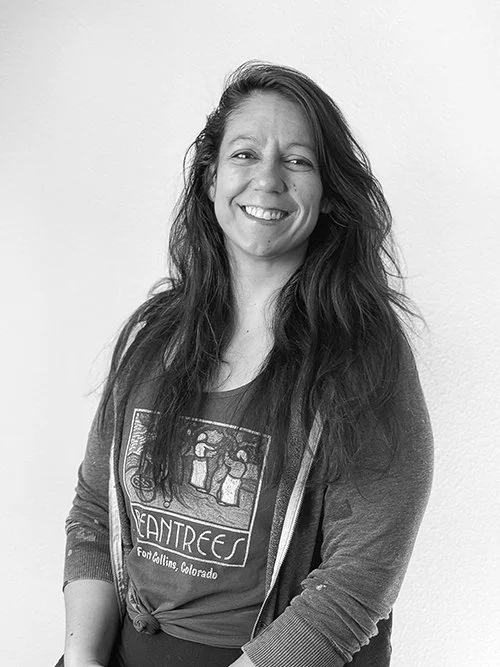
Teacher-Advisor: High School Science & Art
I was raised in Colorado, and growing up in the mountains of Idaho Springs, I fell in love with the natural beauty, activities, and wildlife all around us. From a very young age, I knew I wanted to study animals. I yearned to focus on the mysteries of nature and what we did not yet understand, and the immense power we have as scientists to be curious and ask the most important question: “Why?”
The ability to understand the world around us, grow beyond our own perspective, and discover tools and mechanisms with which to explore the unknown is a fundamental part of being a scientist. That emphasis on curiosity over simply being knowledgeable is an adage I try to impress upon students when it comes to the importance—and the fun—of science.
I developed these key tools while earning my degree in Zoology at Colorado State University, where I worked in a physiology lab and became increasingly interested in the vastly different ways animals move and interact with their environments. I later earned a master’s degree at CSU and discovered that I truly enjoyed teaching.
At the same time, I was running a full-time art business, and I was relieved to discover that my art and science did not have to be mutually exclusive. Instead, some of my greatest insights and pieces came when I melded these disciplines together, creating visual representations that helped make complex science topics more accessible.
After spending a full year with art as my primary career—and working independently on outreach and collaborative education events for six years—I forged my own role as an educational outreach coordinator at CSU.
All of these experiences have helped shape me into an educator who loves the exploration process of constantly teaching and being taught, values the extraordinary responsibility of helping students invest in science, and encourages them to understand that they have the power to shape their own futures by applying scientific thinking to whatever passions and perspectives they bring to the table.